Moved to the US with Cash from the UK? What to Do Next
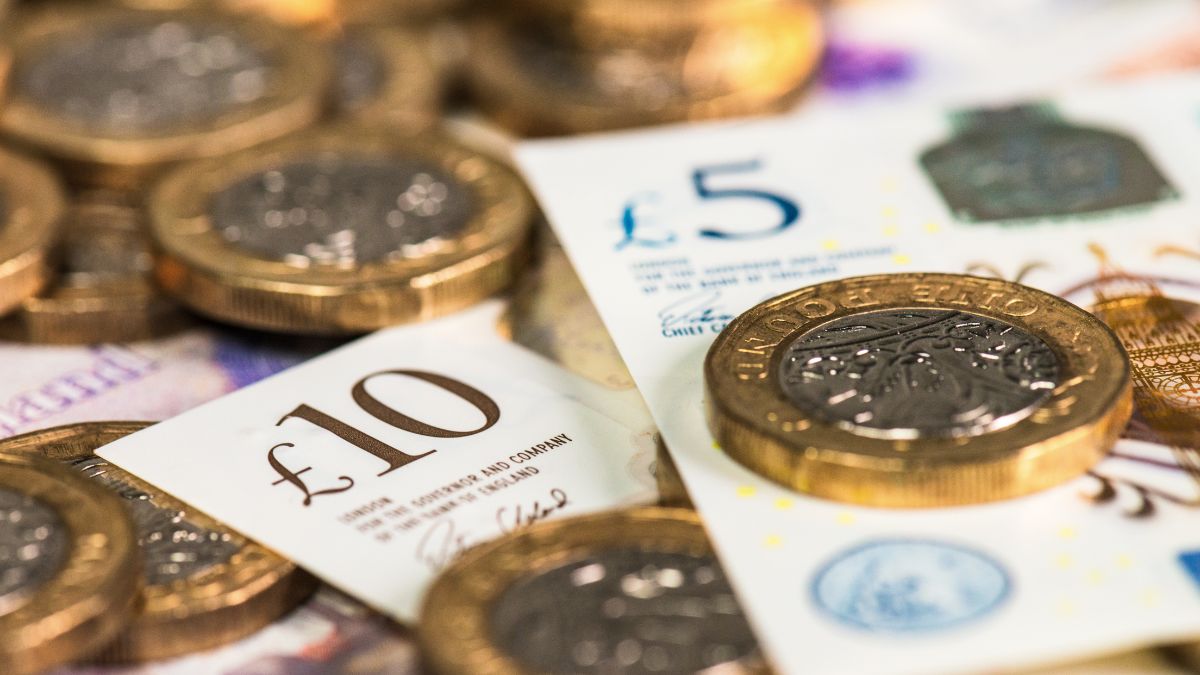
Relocating to the United States often comes with a significant amount of cash held in GBP, whether from savings, bonuses, or the sale of UK assets.
Once the move is complete, that cash can quickly become one of the more pressing financial questions: leave it as it is, convert it, or invest it.
Why This Decision Matters Early
Cash feels low risk, which is why it is often left untouched during a move.
However, once you are living in the US, holding a large balance in GBP introduces a different kind of exposure.
That exposure is not just about exchange rates. It also affects:
- How your overall assets are positioned
- Whether your liquidity matches your day-to-day needs
- How quickly you can act on investment opportunities
What starts as a temporary holding position can easily become a longer-term default.
The Currency Question
One of the first decisions is whether to convert GBP into USD.
This is often approached as a timing decision, but in practice it is more about alignment.
Key considerations include:
- Where you expect to spend or invest the funds
- Whether your income is now in USD
- How much exposure you want to GBP going forward
Trying to time exchange rates can be unpredictable. Aligning currency with future use is usually more practical.
Holding Cash vs Investing
Another common question is whether to keep funds in cash or invest them.
Holding cash may feel like the safer option, particularly after a move, but over time it can create:
- Opportunity cost if markets move higher
- A lack of alignment with long-term goals
- Delayed decision-making
Investing, on the other hand, raises different questions around timing, structure, and how the funds fit into a broader plan.
For many individuals, the issue is not choosing one or the other, but deciding how to phase between the two.
Structuring the Funds
Where the cash is held can be just as important as what is done with it.
This may involve:
- Choosing between UK and US accounts
- Deciding where investments should be based
- Considering how accounts will be managed going forward
Once you are US-based, keeping significant assets in UK structures without a clear reason can add unnecessary complexity.
Avoiding Drift
One of the more common outcomes is that cash simply sits.
What was intended as a short-term decision becomes a long-term position, not because it was the best choice, but because it was never revisited.
Over time, this can lead to:
- Missed investment opportunities
- Unintended currency exposure
- A portfolio that does not reflect your current situation
What This Really Comes Down To
The key decision is not whether to convert, hold, or invest immediately.
It is whether the cash has a defined role within your overall financial plan.
Without that clarity, each decision tends to be made in isolation, often reacting to markets or short-term considerations rather than following a consistent strategy.
Some of the content of this communication was provided by third parties of BlackPoint Capital Partners. We have not verified the information contained herein, but we believe the content is reliable. None of this content should be construed as legal, accounting or tax advice. Tax laws are complex and often have highly-individualized requirements, you should seek the advice of a competent tax professional if you have specific tax questions.